


Effective integration between accounting and inventory management software ensures seamless data the operating cycle of a company is flow and allows you to make informed decisions to optimize your operating cycle. Monitoring these KPIs regularly and taking action to improve them can lead to a more efficient operating cycle, improved cash flow, and enhanced financial performance for your business. To reduce your DSO, focus on efficient accounts receivable practices, including clear credit policies, prompt invoicing, automated reminders, regular reconciliation, and offering early payment incentives.
Journal Entry
Perhaps the company has surplus inventory or is not effective in collecting payments from its customers. The meaning of the operating cycle is the time taken to convert inventory into cash through sales and collections. In service-based businesses, such as software firms, the operating cycle revolves around time and manpower rather than physical goods. For example, a software company may take 3 to 6 months to develop a product for a client. After completion, an invoice is raised, and the client may take another 30–60 days to pay. Since there’s little to no delay in collection and inventory moves fast, the operating cycle is often just 1–2 weeks.
Effortless Inventory Reports
When businesses apply the working capital cycle formula correctly, it becomes easier to make informed decisions about liquidity, credit policies, and inventory management. In order to see that the receivable conversion period is not increased, the firm should follow a rationalized credit policy based on the credit standing of customers and other relevant facts. Slack collection policies will tie-up funds for long period, increasing length of operating cycle.
Days Inventory Outstanding (DIO)
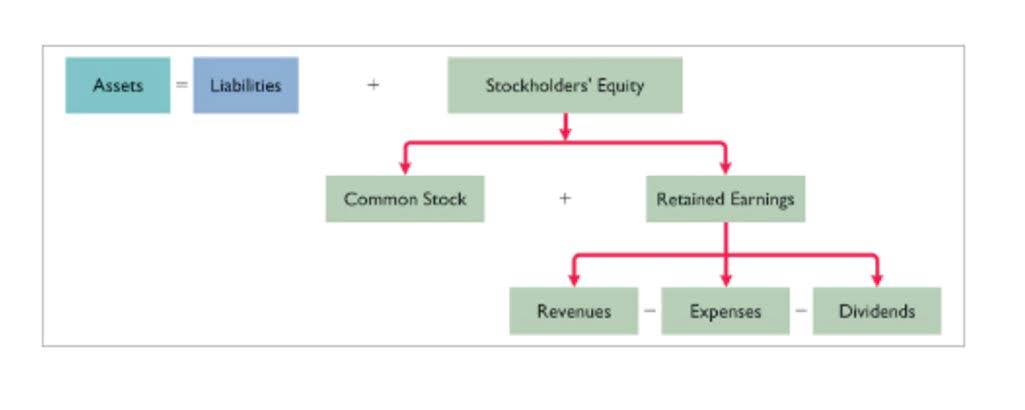
This strengthens liquidity, ensures smoother operations, and supports more efficient working capital management. The knowledge of operating cycle is essential for smooth running of the business without shortage of working capital. The working capital requirement can be estimated with the help of duration of operating cycle. If depreciation is excluded from expenses in the operating cycle, the net operating cycle represents ‘cash conversion cycle’. As a result, some account balances reported on the January 31, 2023 unadjusted trial balance in Figure 2 have changed.
- Remember, your operating cycle is not static; it requires continuous attention and adaptation to changing market conditions.
- Yes, a company can influence its operating cycle through effective management of inventory, efficient collection of receivables, and leveraging credit terms with suppliers.
- The business desires to maintain a shorter operating cycle as invested money in the business operations cost money in terms of opportunity cost/finance cost.
- If a retailer, pays on credit, they will work out payment terms with the manufacturer.
- Inventory days are also an indicator of stock movement inside the organization.
- Good operating cycle efficiency often means the business can run smoothly without borrowing money or facing cash flow problems.
- The Working Cycle of this business would start with the company spending cash for acquisition of raw material.
How to Calculate Operating Cycle?

The Production manager affects the length of operating cycle by managing and controlling manufacturing cycle, which is a part of operating cycle and influences directly. Longer the manufacturing cycle, longer will be the operating cycle and higher will be the firm’s working capital requirements. Note that the Dividend account is not closed to the Income Summary account because dividends is not an income statement account. LO6 – Explain the use of and prepare closing entries and a post-closing trial balance.
- Most companies choose to combine returns and allowances into one account, but from a manager’s perspective, it may be easier to have the accounts separated to make current determinations about inventory.
- The shorter Cash cycle indicates that the company recovers its investments quicker and hence has less cash tied up in working capital.
- Finally, if the business wants to reduce its cash operating cycle, it must negotiate better repayment terms with its suppliers that allows the business more flexibility in making payments.
- This formula is used to calculate days for the inventory held on the floor of the business.
- The company does not have to consider the merchandise condition because the customer keeps the merchandise in this instance.
- Merchandising is the promotion of goods and/or services that are available for retail sale.
- However, depending on the agreement, payment from the foreign buyer may only be received 60–90 days after shipment.
Interacting operating and cash conversion cycle
In this article, we will cover in detail about cash operating cycle in accounting. Before going further, let’s understand the overview of the cash operating cycle as well as the concept of working capital management. Similar to credit terms between a retailer and a manufacturer, online bookkeeping a customer could see credit terms offered by the retailer in the form of 2/10, n/30. This particular example shows that if a customer pays their account within 10 days, they will receive a 2% discount. If the customer is able to pay the account within the discount window, the company records a credit to Accounts Receivable, a debit to Cash, and a debit to Sales Discounts.

Purchases with Cash or on Credit
The operating cycle plays a crucial role in analyzing a company’s efficiency and financial performance. Of course, you’ll always want to prefer a shorter operating cycle since it is indicative of liquidity and efficiency. An operating cycle is the amount of time it takes a company to use its cash to provide a product or service and collect payment from the customer. Completing this cycle faster puts the company in a more stable financial position. A typical operating cycle for a service company begins with having cash available, providing service to a customer, and then receiving cash from the customer double declining balance depreciation method for the service (Figure 6.2). An operating cycle measures the time it takes for a company to buy inventory, sell products, and collect cash from sales.
Improved Liquidity
A low DSO suggests that your accounts receivable process is efficient, and customers are paying their invoices promptly. This helps maintain a steady cash flow, reduces the risk of bad debts, and ensures you have funds available for immediate use or investment. Inventory management is a crucial component of your operating cycle, as it directly impacts how efficiently you can turn your investments in goods and materials into cash. By carefully controlling your inventory, you can reduce carrying costs, minimize the risk of obsolescence, and ensure that you have the right products available to meet customer demand. Assume Bob operates a bakery and is attempting to determine how well his business is performing. This means that the cycle would begin when he started paying for the commodities, resources, and ingredients used to manufacture various pastries and baked items.
- The following remedies may be used in contrasting the length of operation cycle period.
- An operating cycle differs from a cash cycle, and it is about how much time a business takes to operate its raw material to inventory, receivables, and cash.
- The first way in which a business can improve its cash operating cycle is to improve the efficiency of its processes.
- And they both are known to provide you with the amount of time business takes to manage cash.

The retailer records an entry acknowledging the return by reducing either Cash or Accounts Receivable and increasing Sales Returns and Allowances. Cash would decrease if the customer had already paid for the merchandise and cash was thus refunded to the customer. Accounts Receivable would decrease if the customer had not yet paid on their account.
Operating Cycle formula
For both the return and the allowance, if the customer had already paid their account in full, Cash would be affected rather than Accounts Receivable. The long-term benefits of discounts are contrasted with organizational codes of ethics and conduct that limit others from accepting discounts from your organization. The ethical dilemma may not arise from the accountant’s employer, but from the employer of the person outside the organization receiving the discount. There are a few transactional situations that may occur after a sale is made that have an effect on reported sales at the end of a period. Merchandise return controls require that there be a separation of duties between the employee approving the return and the person recording the return of merchandise in the accounting records. Basically, the person performing the return should not be the person recording the event in the accounting records.